SAFETY

WHEN IS CALIBRATION REQUIRED?

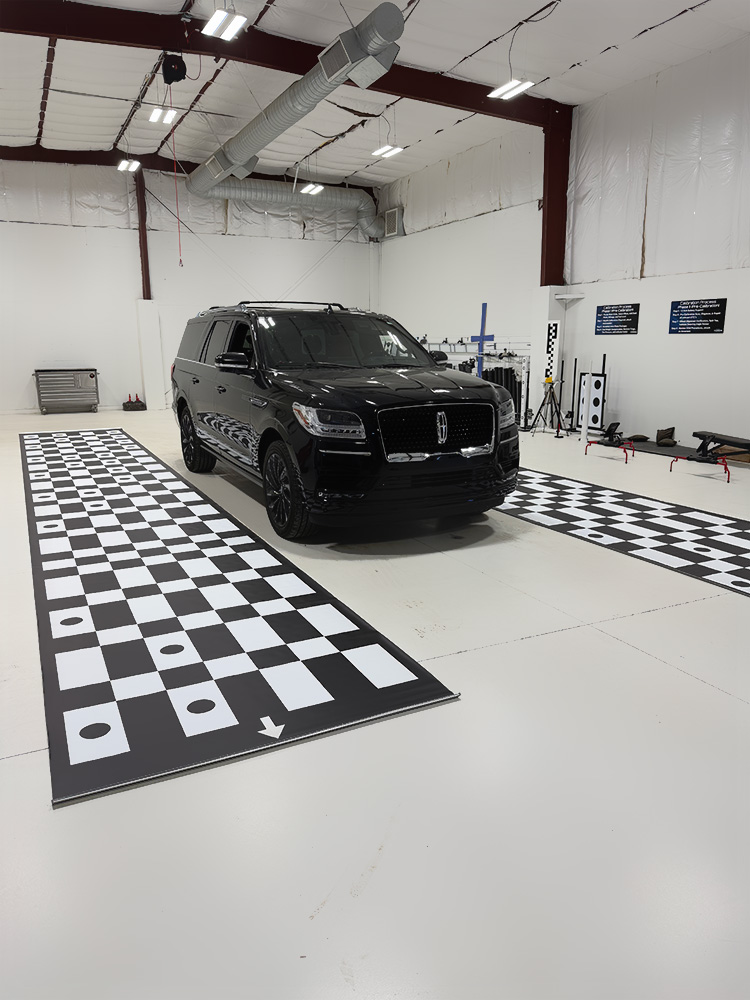
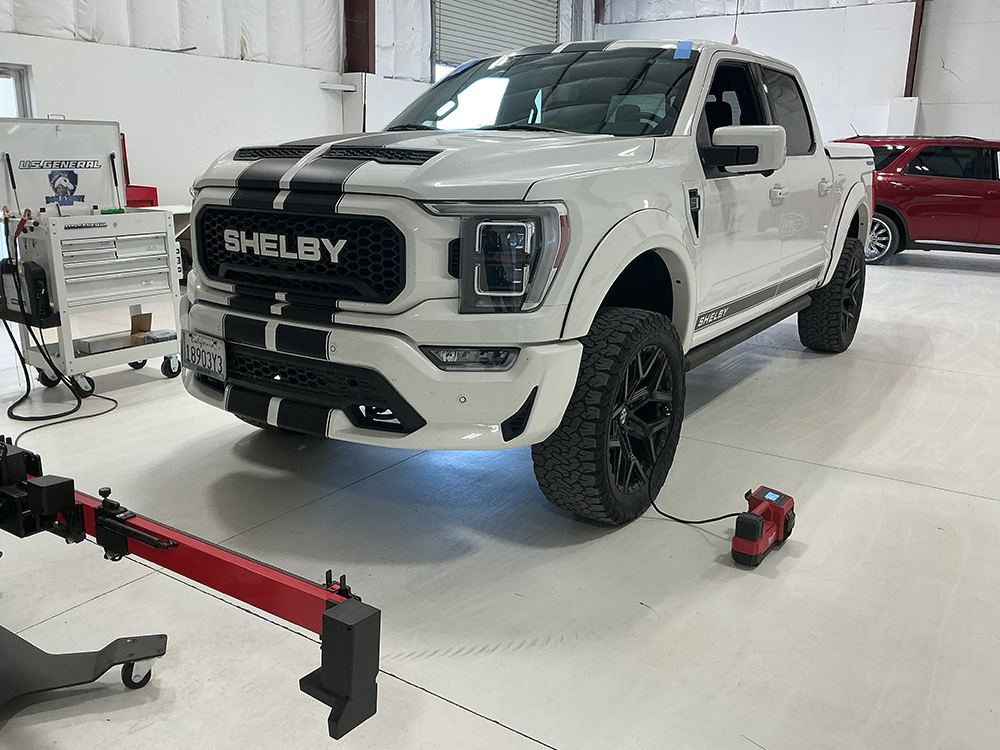
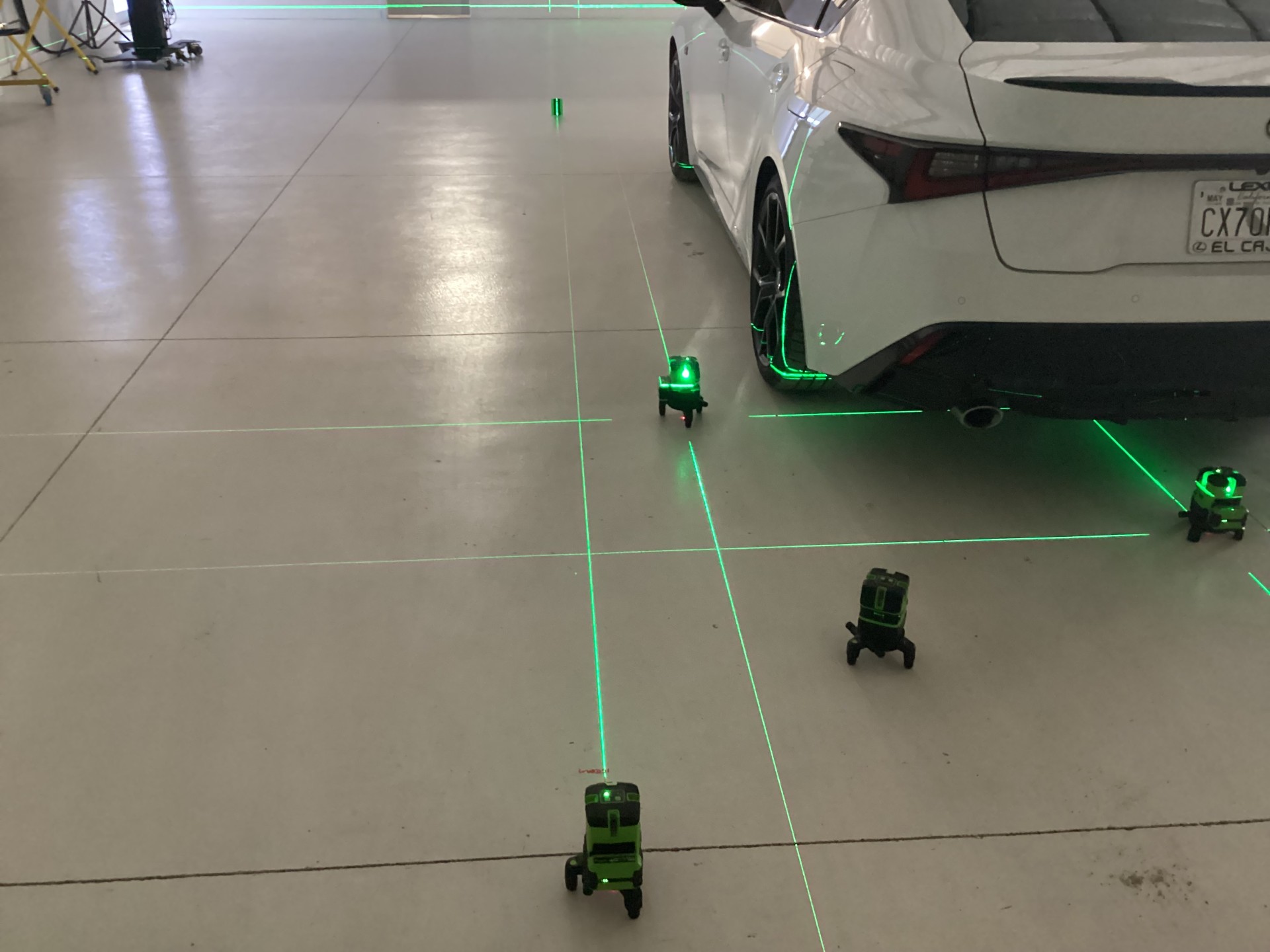
Any disruption to your ADAS sensors—whether from: Collision, Windshield damage, Mirror replacement, Ride height, change, Tire size changes, Suspension repairs, Routine radiator work and Condenser work—demands expert re-calibration.

At ADAS Vision, we don’t ignore codes, warnings, or alerts—address them now for maximum safety. We quickly analyze every issue and deliver full system validation, restoring peak performance, reliability, and driver confidence.

ADAS Warning Lights and What They Mean

Modern vehicles use cameras, radar, and other sensors to power safety features like forward collision warning, lane departure warning, blind spot monitoring, adaptive cruise control, and automatic emergency braking. When one of these systems detects a problem, becomes blocked, is turned off, or needs service, your vehicle may display a warning light, dashboard message, or system alert.

Some ADAS warnings simply show that a feature is active, but others mean the system may be limited, unavailable, or not operating correctly. If a warning stays on, appears after repairs, or comes on with messages related to cameras, radar, or safety systems, the vehicle should be professionally inspected, scanned, and checked for calibration needs.

Why ADAS Warnings Come On?

ADAS warning lights and dashboard messages may appear for several reasons:
  • Windshield replacement affecting front camera alignment.
  • Front or rear bumper repair affecting radar sensor position.
  • Collision damage shifting a bracket, camera, or radar sensor.
  • Dirt,debris,weather,or obstructions blocking the sensor area.
  • A calibration issue after repairs or parts replacement.
  • A fault code, software issue, or module problem that needs diagnostics.

Forward Collision

Forward Collision Warning: This warning means the vehicle’s front crash alert system has detected a possible collision risk or there may be a problem affecting front sensor performance. Systems tied to forward collision warning and automatic emergency braking rely on proper sensor input to work as designed.

Lane Departure

Lane Departure Warning: or Lane Keep Assist This warning is commonly related to the front camera system that monitors lane markings and helps warn the driver when the vehicle drifts from its lane. If the camera cannot see the road clearly, has been moved, or needs calibration, the warning may appear.

Blind Spot Warning

Blind Spot Warning: Blind spot systems use side or rear sensors to detect vehicles in adjacent lanes and warn the driver before a lane change. Depending on the make and model, the warning may appear in or near the side mirror, on the dash, or in the instrument cluster.

Rear Cross Traffic Alert

Rear Cross Traffic Alert: This warning relates to sensors that monitor approaching traffic from the sides while the vehicle is backing up. If the system is blocked, damaged, misaligned, or has a fault, it may trigger a warning or become unavailable.

Rear Cross Traffic Alert

Rear Cross Traffic Alert: This warning relates to sensors that monitor approaching traffic from the sides while the vehicle is backing up. If the system is blocked, damaged, misaligned, or has a fault, it may trigger a warning or become unavailable.

Adaptive Cruise Control

Adaptive Cruise Control or Distance Alert: These warnings can indicate that the system is monitoring following distance, that adaptive cruise is temporarily unavailable, or that the radar or camera system needs attention. Because these features depend on accurate sensor readings, a blocked or misaligned component can affect how the system responds.

Automatic Emergency Braking

Automatic Emergency Braking Warning: This warning may indicate the automatic emergency braking system is limited, unavailable, or detecting a fault. These systems use sensors to detect imminent frontal crash risks and can automatically apply the brakes in certain situations, so related warnings should not be ignored.